Modern vs. Traditional Reception Desk Styles: Which Suits Your Brand?
A reception desk is far more than a surface where greetings occur. It is a visual cue that instantly communicates your brand’s temperament. In Dubai’s fast-growing business landscape, companies invest heavily in design elements that reinforce trust, professionalism, and identity.
This guide is all about Modern vs. Traditional Reception Desk style to help you choose.
Whether you prefer sleek modern forms or timeless classical motifs, the right style becomes a strategic asset. To explore more desk-related insights, visit the Officeinn Blog.
How Reception Style Shapes Brand Perception
Visitors typically form an impression of your brand in under seven seconds. This makes your reception desk an essential storytelling element. Modern designs may communicate innovation, clarity, and efficiency, while traditional styles project heritage, reliability, and formality. Brands often pair reception design choices with other interior elements, such as modern wall cladding trends or display cabinets to strengthen consistency.
Defining Modern Reception Desk Styles
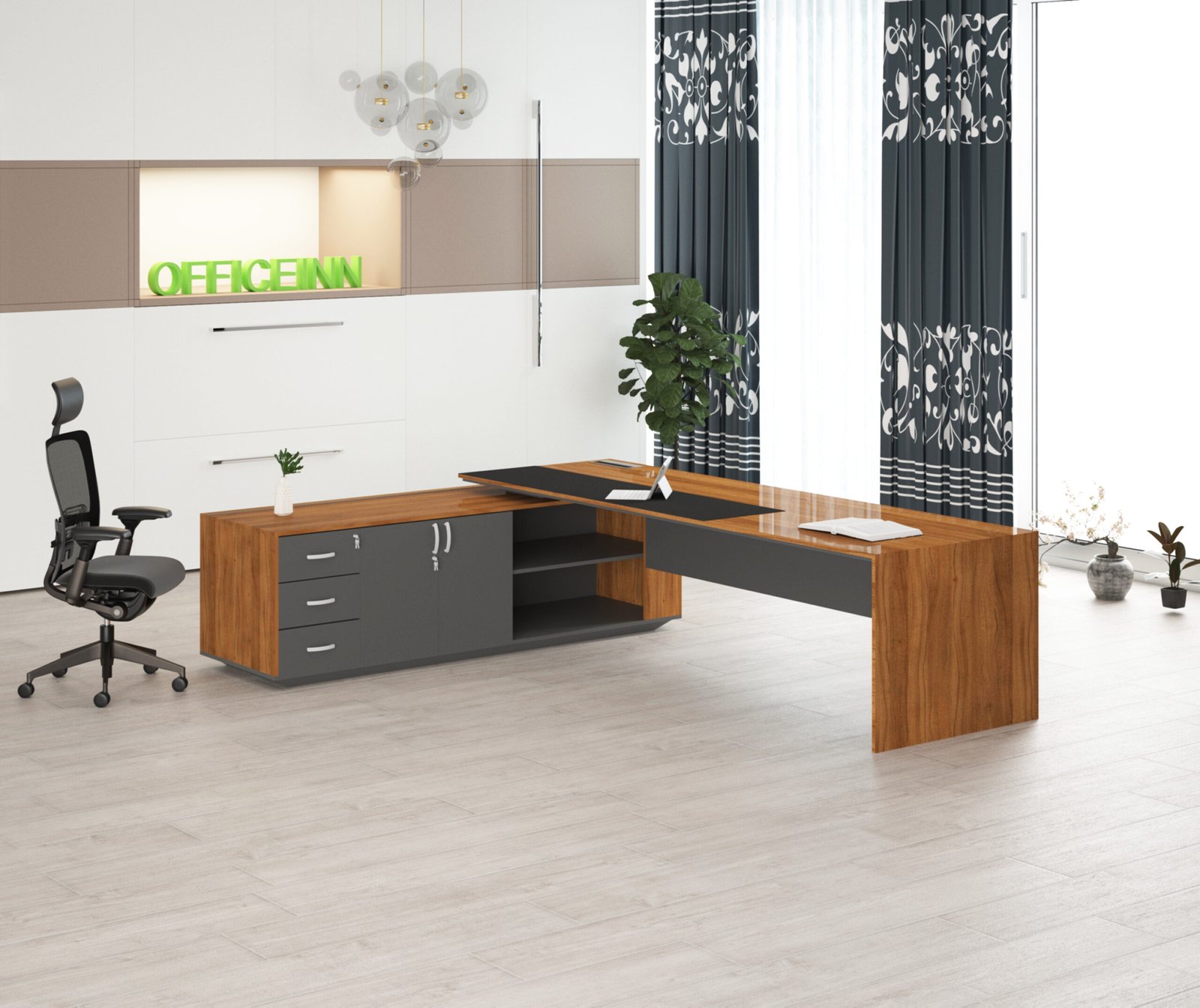
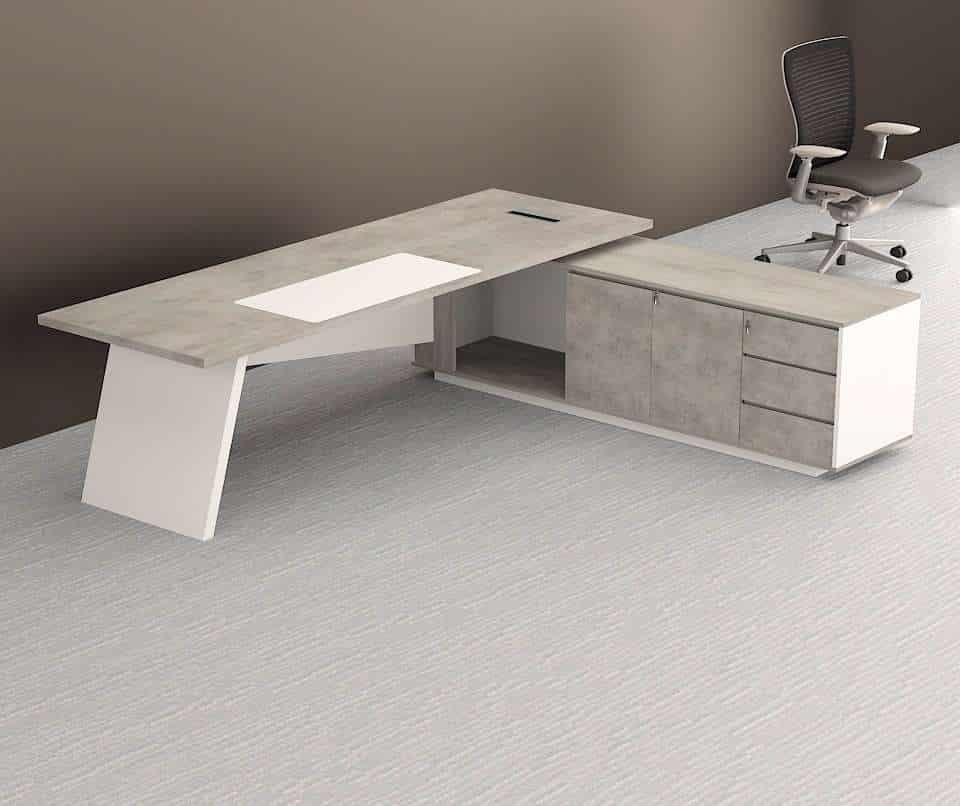
Modern reception desks emphasize clean silhouettes, minimalist aesthetics, and materials such as glass, engineered wood, metal, or illuminated panels. Their geometric lines create a visually organized workspace that aligns with contemporary brands and tech-forward companies.
Many businesses choose modern L-shaped or custom-built designs because they maximize efficiency and enhance spatial balance. Learn how these configurations improve functionality in the linked article on the Benefits of L-Shaped Reception Desks.
Dubai’s corporate environments often adopt modern desks to match open-plan layouts and streamlined office furniture.
Understanding Traditional Reception Desk Designs
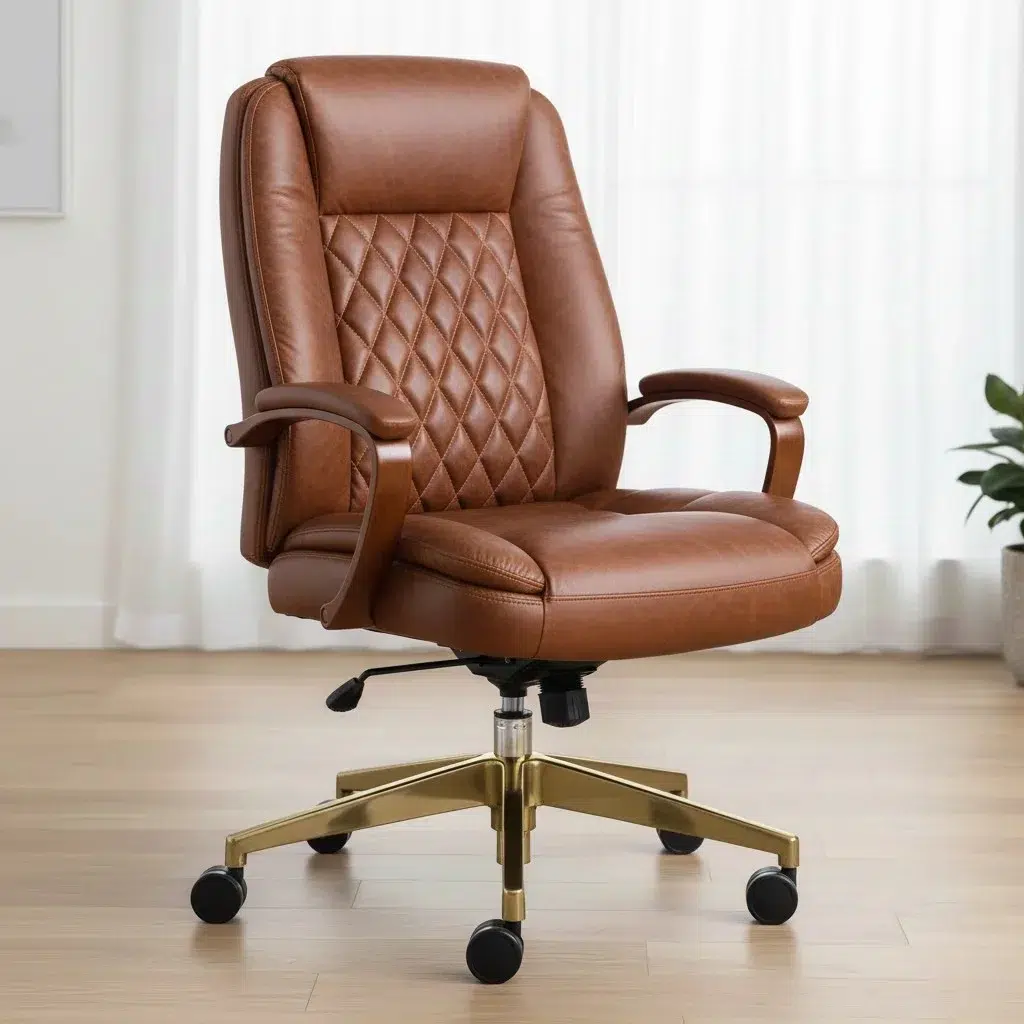
Traditional reception desks carry a sense of grandeur and permanence. They typically feature carved details, warm wood tones, paneling, and layered molding. Their aesthetic aligns with law firms, luxury service brands, medical institutions, and companies with legacy-driven identities.
These desks deliver a striking sense of authority, making them ideal for organizations that prioritize formality and trust. Complementary furniture—such as rich wooden executive desks—often completes the design narrative.
Comparing Form, Function, and Materials
Modern and traditional styles diverge sharply across multiple categories:
Materials
- Modern: glass, metal, laminate, acrylic, LED lighting.
- Traditional: hardwood, veneer, brass accents, deep stains.
Function
- Modern: modular, ergonomic, wire-management optimized.
- Traditional: durable, imposing, highly decorative.
Aesthetic Presence
- Modern: light, open, minimalist.
- Traditional: bold, structured, ornate.
Brands looking for functional upgrades may explore custom office furniture options to blend preference with practicality.
Which Style Aligns with Your Brand Identity?
Every brand speaks its own visual language. A modern desk suits organizations with identity pillars such as innovation, speed, clarity, and digital-first operations. Startups, IT companies, and creative agencies often gravitate toward these designs.
A traditional desk, on the other hand, aligns with brands that emphasize legacy, culture, warmth, and trust. High-end service industries, legal firms, and corporate consultancies frequently select these aesthetics.
If your brand values lean toward structure and efficiency, L-shaped or modular modern desks may elevate your workspace—an approach discussed in the top office desks guide.
Space Planning Considerations for Both Styles
Modern desks typically occupy less physical volume, making them ideal for compact or irregular layouts. They integrate naturally with cluster workstations and open spaces. For guidance, see how to build workstation clusters on a budget.
Traditional desks require more floor area due to their depth and decorative structure. Their presence is a deliberate design statement, suited to reception zones with generous square footage.
Businesses in Dubai—where real estate optimization is a priority—frequently prefer modern layouts for operational efficiency.
Ergonomics and Staff Productivity Differences
Modern reception desks typically follow ergonomic standards by integrating adjustable heights, legroom, and optimized workflows. This boosts staff comfort and long-term productivity. Read practical ergonomic guidance in articles such as:
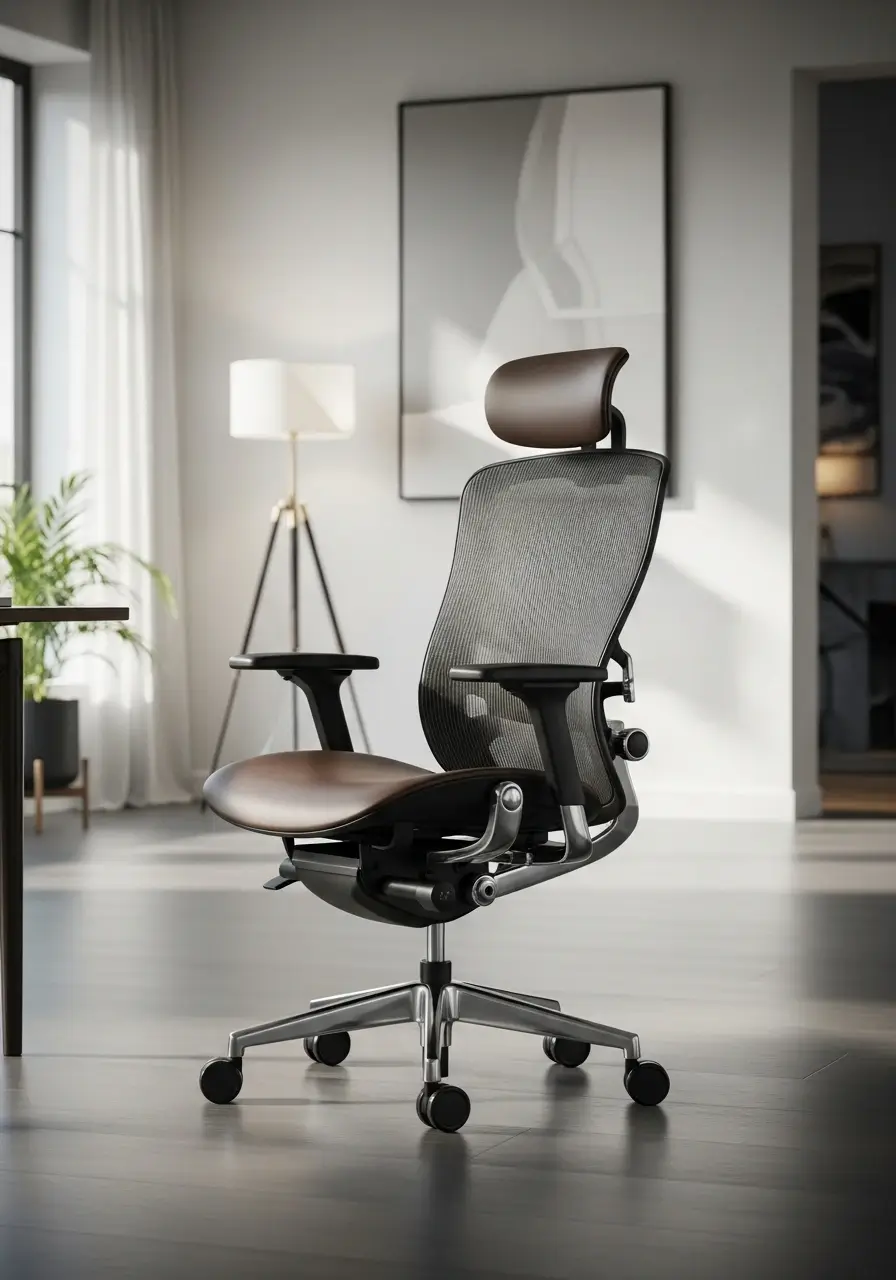
Traditional desks, while visually impressive, may lack ergonomic customizability unless specifically tailored. Many companies pair them with upgraded ergonomic seating to bridge the gap.
Popular Trends in Dubai’s Corporate Environments
Dubai’s market trends for reception furniture follow three primary directions:
- Increased demand for modern modular desks due to space efficiency.
- A rise in hybrid designs that incorporate modern silhouettes with subtle traditional finishes.
- A shift toward smart reception solutions—integrated lighting, cable management, and multi-surface layouts.
Brands also increasingly adopt height-adjustable desks to future-proof workspaces.
With reception desks specifically, modern designs currently dominate around 70% of new commercial fit-outs, according to local industry estimates.
When a Hybrid Style Works Best
Some brands need a style that blends familiarity with modern dynamism. Hybrid reception desks combine traditional materials, such as warm wood textures, with modern shapes and functionality. This balance is ideal for brands transitioning their identity or those appealing to a multi-generational audience.
Hybrid spaces also pair well with versatile conference solutions, such as those highlighted in choosing the best conference table materials.
Conclusion: Selecting a Desk That Speaks Your Brand Language
The reception desk presents a decisive visual message. Whether modern or traditional, the right style reinforces your brand’s values and enhances visitor experience.
In Dubai’s evolving corporate market, the choice often depends on space, identity, workflow, and long-term scalability.Explore additional reception desk designs and guidance on the Officeinn Blog to refine your selection with confidence.