
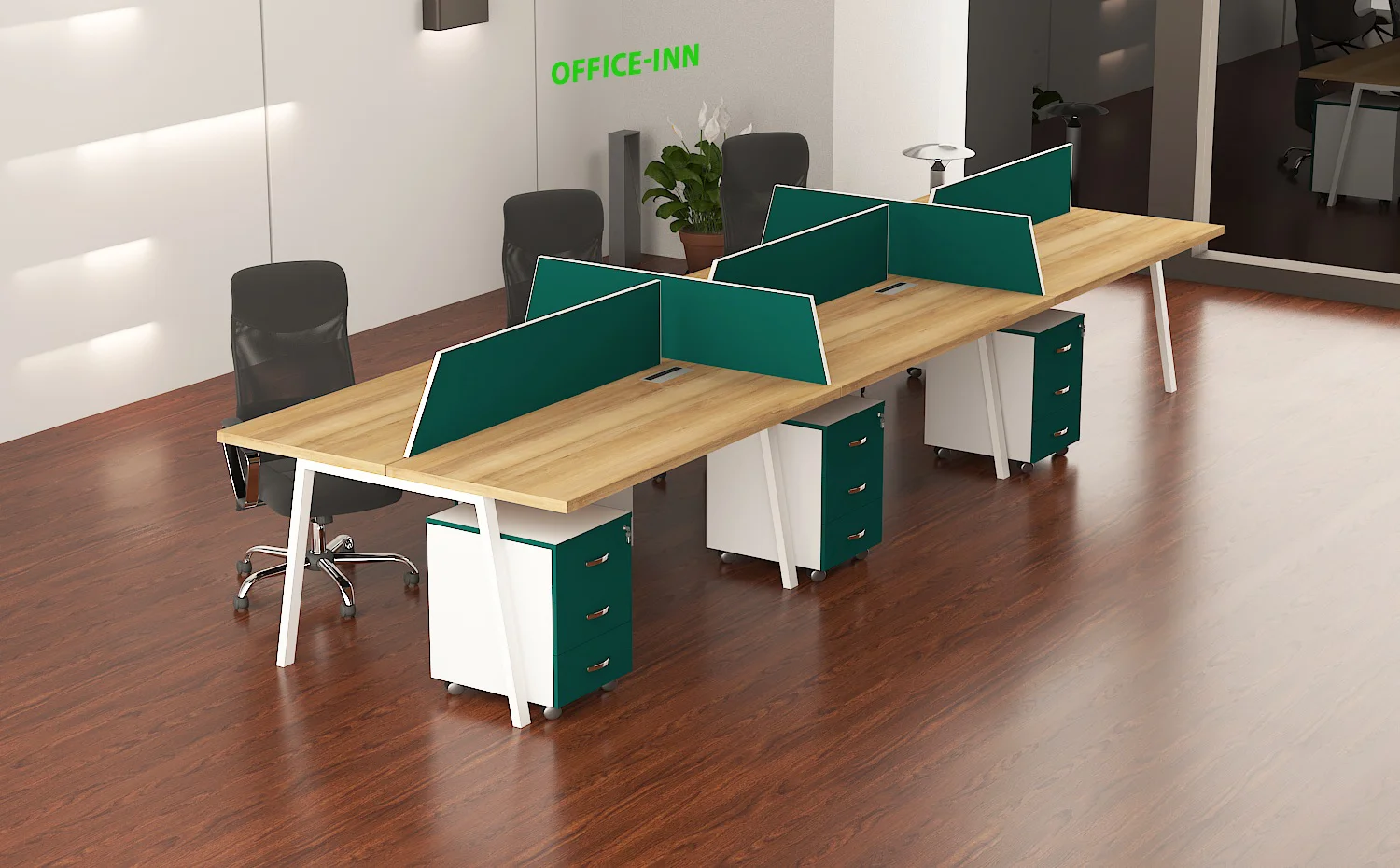
Modular Office Workstations vs Traditional Desks: Which Is Better for Modern Offices?
Modern workplaces are evolving rapidly, and businesses are constantly looking for smarter ways to improve productivity, collaboration, and employee comfort. One of the biggest decisions companies face when designing an office is choosing between modular office workstations and traditional office desks.
Both options have their advantages, but the right choice depends on your office layout, business goals, team size, and budget. In this guide, we’ll compare modular office workstations and traditional desks in detail to help you make the best decision for your workspace.
Whether you’re designing a startup office, upgrading a corporate workspace, or planning a modern office in Dubai, this article will help you understand which furniture solution delivers better efficiency and long-term value.
What Are Modular Office Workstations?
Modular office workstations are flexible furniture systems designed to accommodate multiple employees in an organized and space-efficient layout. These workstations typically include shared desk arrangements, partitions, storage units, cable management systems, and customizable components.
Unlike fixed desks, modular workstations can easily be rearranged, expanded, or reconfigured according to changing office needs.
Common Features of Modular Workstations
- Collaborative seating arrangements
- Integrated storage solutions
- Privacy panels or partitions
- Cable management systems
- Flexible and scalable design
- Ergonomic layouts
Modular workstations are widely used in:
- Corporate offices
- Co-working spaces
- Startups
- Call centers
- Tech companies
- Creative agencies
What Are Traditional Office Desks?
Traditional office desks are standalone desks designed for individual use. They are commonly found in executive offices, private cabins, and conventional workplace settings.
These desks are often larger, heavier, and less flexible than modular systems. Traditional desks usually focus more on personal workspace and privacy rather than collaborative working.
Common Types of Traditional Desks
- Executive desks
- Writing desks
- Computer desks
- Corner desks
- Wooden office desks
Traditional desks remain popular in businesses that prioritize:
- Privacy
- Individual productivity
- Formal office aesthetics
- Executive setups
What Are The Advantages of Modular Computer Tables?
Modular computer tables offer customizable, space-saving workstation solutions designed to improve productivity and adapt to changing office environments.
Customizable Layouts: Add, remove, or rearrange components like monitor mounts, shelf units, and extension panels to match exact workflow requirements.
Space Optimization: Compact, scalable designs maximize floor space, making them ideal for small home offices as well as large open-plan corporate environments.
Ergonomic Design: Easily integrates sit-stand converters, adjustable monitor arms, and sliding keyboard trays to support better posture and reduce fatigue.
Integrated Cable Management: Built-in grommets, wire trays, and raceways conceal power cords and cables, creating a clutter-free, professional workstation.
Cost-Effective Scalability: Expand existing desks with compatible modular add-ons as technology or team size grows, avoiding the cost of full furniture replacement.
Easy Assembly & Mobility: Lightweight, standardized components allow for fast setup, effortless disassembly, and smooth relocation during office reconfigurations.
Key Differences Between Modular Workstations and Traditional Desks
1. Space Efficiency
Modular Office Workstations
Modular workstations are designed to maximize office space. They allow multiple employees to work comfortably within a compact layout, making them ideal for modern businesses and growing teams.
Businesses in cities like Dubai, where office rental costs can be high, often prefer modular office furniture because it optimizes available floor space.
Traditional Desks
Traditional desks generally require more room per employee. They may create a spacious and premium look, but they are less efficient in compact office environments.
Winner: Modular Office Workstations
2. Flexibility and Scalability
Modular Workstations
One of the biggest advantages of modular office workstations is flexibility. As your team grows, you can easily add new workstations or rearrange the layout without replacing all the furniture.
This adaptability makes modular systems a cost-effective long-term investment.
Traditional Desks
Traditional desks are less adaptable. Rearranging office layouts with heavy standalone desks can be difficult and time-consuming.
Winner: Modular Office Workstations
3. Collaboration and Teamwork
Modular Workstations
Open workstation layouts encourage communication and collaboration among employees. Teams can share ideas quickly, improving workflow and productivity.
This setup is especially beneficial for:
- Marketing teams
- Creative departments
- Customer support teams
- Tech startups
Traditional Desks
Traditional desks provide separation between employees, which can reduce interaction and spontaneous collaboration.
Winner: Modular Office Workstations
4. Privacy and Concentration
Traditional Desks
Traditional office desks provide better personal space and privacy. Employees who perform focused tasks may benefit from fewer distractions.
Executive offices and managerial roles often prefer traditional desks for confidentiality and concentration.
Modular Workstations
Although modern workstations include privacy partitions, they still offer less isolation compared to traditional desks.
Winner: Traditional Office Desks
5. Cost and Budget
Modular Workstations
While the initial investment in modular workstations may appear higher, they offer better long-term value because they can be reused, reconfigured, and expanded.
Traditional Desks
Traditional desks can be cheaper for smaller offices or individual setups, but scaling them for larger teams often increases costs significantly.
Winner: Depends on Office Size and Growth Plans
Benefits of Modular Office Workstations
Businesses are increasingly shifting toward modular office furniture because of its practical advantages.
Improved Productivity
Well-designed workstations reduce clutter, improve organization, and create efficient workflows.
Better Space Management
Modular systems maximize floor space without compromising employee comfort.
Enhanced Office Aesthetics
Modern workstations create a sleek, professional, and contemporary office appearance.
Easy Customization
You can customize workstation sizes, colors, storage, and layouts according to your brand and office requirements.
Future-Proof Investment
As companies expand, modular furniture adapts easily to changing team structures.
Benefits of Traditional Office Desks
Despite the popularity of modular workstations, traditional desks still have important advantages.
Greater Privacy
Employees can focus better in quieter, separated spaces.
Executive Appeal
Traditional wooden executive desks provide a premium and professional appearance.
Personalized Workspace
Employees often prefer having a dedicated personal desk setup.
Strong and Durable
Many traditional desks are built using solid wood and high-quality materials for long-term durability.
Which Option Is Better for Modern Offices?
For most modern businesses, modular office workstations are becoming the preferred solution because they support:
- Hybrid work environments
- Team collaboration
- Flexible office layouts
- Efficient space utilization
- Future scalability
However, traditional office desks remain valuable for:
- Executive cabins
- Private offices
- Law firms
- Financial institutions
- Roles requiring confidentiality
Many companies now combine both solutions by using modular workstations for staff and traditional desks for executives and managers.
Choosing the Right Office Furniture in Dubai
If you are setting up or renovating an office in Dubai, selecting the right office furniture is essential for employee productivity and business growth.
When choosing between modular office workstations and traditional desks, consider:
- Office size
- Team structure
- Budget
- Company culture
- Future expansion plans
- Employee comfort
- Interior design goals
Modern businesses in Dubai increasingly prefer ergonomic and space-saving workstation solutions that align with contemporary office trends.
FAQs
1. What are modular office workstations?
Modular office workstations are customizable desk systems designed to accommodate multiple employees efficiently. They can be rearranged and expanded according to office needs.
2. Are modular workstations better than traditional desks?
Modular workstations are generally better for collaboration, flexibility, and space optimization, while traditional desks are better for privacy and executive settings.
3. Why are modular office workstations popular in Dubai?
Businesses in Dubai prefer modular office workstations because they maximize office space, support modern work styles, and provide scalable solutions for growing teams.
4. Do modular workstations improve productivity?
Yes, modular workstations improve workflow, organization, communication, and space efficiency, which can increase employee productivity.
5. Which office furniture is best for small offices?
Modular office workstations are often the best option for small offices because they save space and allow flexible layouts without overcrowding the workspace.
Final Thoughts
The debate between modular office workstations vs traditional desks ultimately depends on your workplace needs and business objectives.
If your priority is collaboration, flexibility, and efficient space management, modular office workstations are an excellent choice. On the other hand, if privacy, executive appearance, and individual focus are more important, traditional office desks may suit your office better.
For many organizations, a balanced combination of both solutions creates the ideal modern workspace.
Investing in the right office furniture can significantly improve employee productivity, workplace organization, and overall business performance.


