
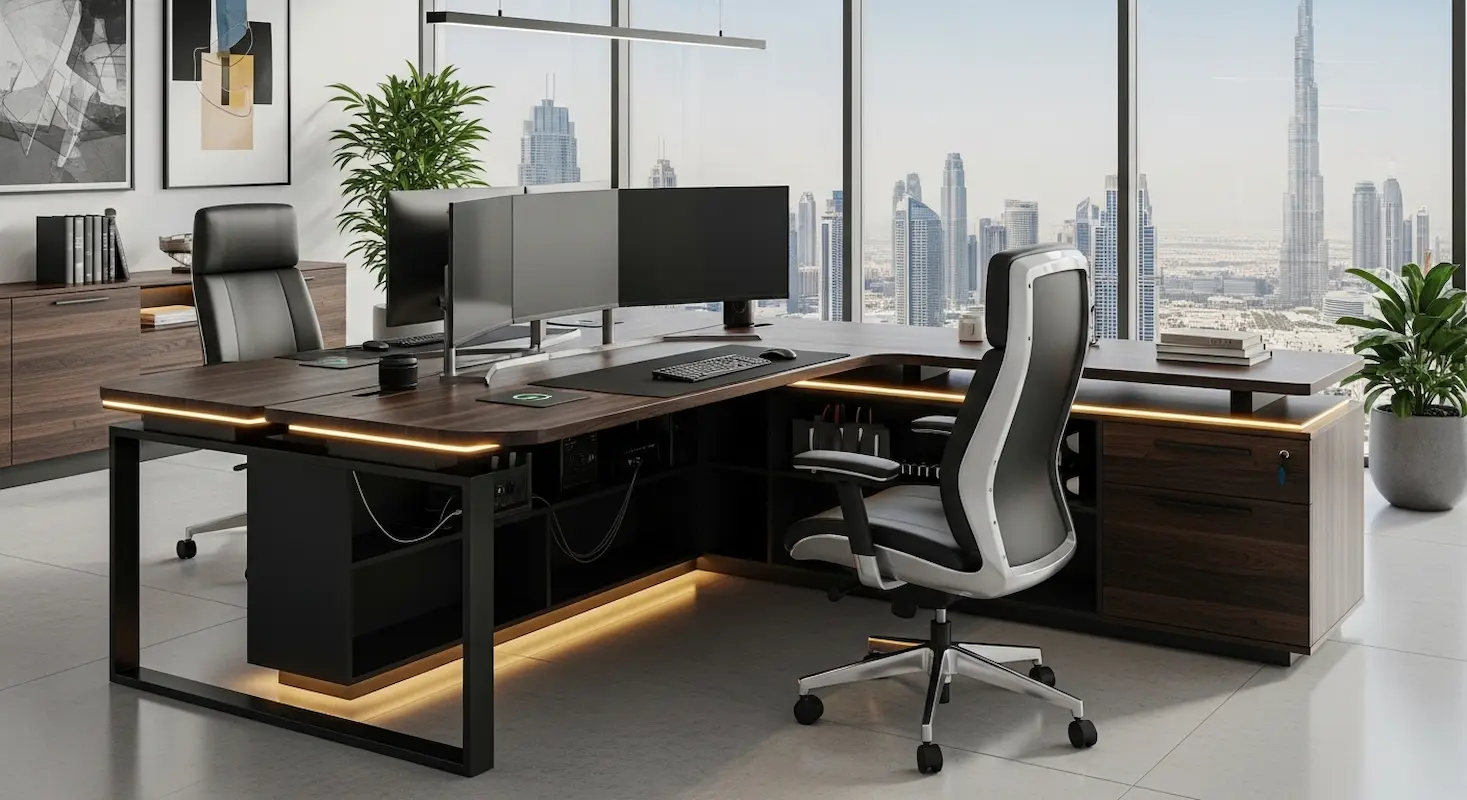
Best Office Layouts for Collaboration and Productivity
Modern workplaces are evolving rapidly, and businesses are constantly looking for ways to improve teamwork, efficiency, and employee satisfaction. One of the most important factors influencing workplace performance is office layout. A well-designed office layout can enhance communication, encourage collaboration, reduce distractions, and boost overall productivity.
Whether you’re designing a new office or renovating an existing workspace, choosing the right office layout can significantly impact your team’s success. In this guide, we’ll explore the best office layouts for collaboration and productivity, along with practical tips to help businesses create efficient work environments.
Why Office Layout Matters
An office layout is more than just the arrangement of desks and furniture. It directly affects how employees interact, focus, and perform daily tasks.
Benefits of an Effective Office Layout
- Improves team collaboration and communication
- Increases employee productivity
- Enhances workplace flexibility
- Supports employee well-being
- Maximizes available office space
- Creates a professional and welcoming environment
- Encourages innovation and creativity
Businesses in Dubai and across the UAE are increasingly investing in modern office furniture and workspace planning to create environments that support both individual focus and team collaboration.
1. Open-Plan Office Layout
The open-plan office is one of the most popular workplace designs worldwide. This layout removes traditional walls and cubicles, creating a shared workspace where employees work together in a common area.
Advantages
- Encourages teamwork and communication
- Facilitates faster decision-making
- Improves transparency among departments
- Maximizes space utilization
- Reduces construction and partition costs
Best For
- Startups
- Creative agencies
- Marketing teams
- Technology companies
Productivity Considerations
While open offices promote collaboration, excessive noise can reduce concentration. Adding acoustic panels, privacy pods, and designated quiet zones helps maintain productivity.
Related Keywords: open office design, collaborative workspace, office workstation layout, modern office design.
2. Hybrid Office Layout
The hybrid office layout combines open collaboration areas with private workspaces. Employees can choose different zones based on their tasks and work preferences.
Key Features
- Collaborative meeting areas
- Private offices or focus rooms
- Flexible workstations
- Breakout spaces
- Hot-desking options
Why It Works
This layout balances teamwork and focused work. Employees can collaborate when needed and move to quieter spaces for tasks requiring concentration.
Best For
- Large organizations
- Corporate offices
- Hybrid work environments
- Professional service firms
Many businesses now prefer hybrid office designs because they accommodate both in-office and remote employees effectively.
3. Activity-Based Working (ABW) Layout
Activity-Based Working is becoming increasingly popular among modern businesses. Instead of assigning permanent desks, employees use different spaces designed for specific activities.
Common ABW Zones
- Collaboration areas
- Quiet work zones
- Meeting rooms
- Phone booths
- Creative brainstorming spaces
- Lounge areas
Benefits
- Improves workplace flexibility
- Supports diverse work styles
- Encourages innovation
- Optimizes office space utilization
Best For
- Technology companies
- Consulting firms
- Innovative organizations
This layout helps employees select the most productive environment for their current tasks, leading to higher efficiency and job satisfaction.
4. Team-Based Office Layout
A team-based office layout groups employees according to departments or project teams. Workstations are organized to facilitate communication within specific groups.
Advantages
- Enhances team collaboration
- Improves project coordination
- Speeds up communication
- Creates stronger team connections
Best For
- Sales teams
- Customer service departments
- Project management teams
- Product development groups
Using modular office workstations can make team-based layouts more adaptable as organizational needs evolve.
5. Cellular Office Layout
Cellular offices consist of private rooms for individual employees or small groups. Although less common today, they remain valuable in certain industries.
Benefits
- Provides maximum privacy
- Reduces distractions
- Supports confidential discussions
- Improves concentration
Best For
- Legal firms
- Financial institutions
- Executive offices
- Healthcare administration
To improve collaboration, cellular layouts can be supplemented with shared meeting rooms and collaborative spaces.
6. Coworking-Inspired Office Layout
Many companies are adopting coworking-inspired office designs that blend flexibility, comfort, and collaboration.
Key Elements
- Shared workstations
- Lounge seating
- Informal meeting areas
- Café-style spaces
- Collaborative hubs
Advantages
- Promotes networking
- Encourages creativity
- Creates a dynamic workplace culture
- Enhances employee engagement
Best For
- Startups
- Creative businesses
- Fast-growing companies
This layout is particularly effective for organizations seeking to attract younger talent and foster innovation.
Essential Office Furniture for Productive Layouts
Choosing the right office furniture is just as important as selecting the layout itself.
Ergonomic Office Chairs
Comfortable seating improves posture, reduces fatigue, and enhances productivity.
Office Workstations
Modern workstation clusters help maximize space while encouraging collaboration.
Meeting Tables
Dedicated meeting areas support brainstorming and team discussions.
Storage Solutions
Smart storage systems reduce clutter and improve workspace organization.
Acoustic Solutions
Acoustic panels, partitions, and soundproof booths help manage noise in collaborative environments.
Businesses looking for premium office furniture in Dubai often prioritize ergonomic and flexible furniture solutions to support evolving workplace needs.
How to Choose the Right Office Layout
Selecting the ideal office layout depends on several factors.
Consider Your Team Structure
Determine whether your employees require frequent collaboration or independent work.
Analyze Available Space
Evaluate office dimensions and traffic flow before making layout decisions.
Understand Work Processes
Different departments may require different workspace arrangements.
Prioritize Flexibility
Choose layouts and furniture that can adapt to future growth.
Focus on Employee Well-Being
Natural lighting, ergonomic furniture, and comfortable breakout areas contribute to a healthier workplace.
Future Trends in Office Layout Design
Workplace design continues to evolve as businesses adapt to changing work habits.
Emerging Trends
- Hybrid workspaces
- Smart office technology
- Flexible workstation clusters
- Wellness-focused office design
- Sustainable office furniture
- Biophilic office environments
- Collaborative innovation hubs
Organizations that embrace these trends can create more productive, engaging, and future-ready workplaces.
Conclusion
The best office layout for collaboration and productivity depends on your organization’s goals, workforce, and operational needs. Open-plan offices encourage communication, hybrid layouts provide flexibility, activity-based working supports diverse tasks, and team-based arrangements strengthen collaboration.
By combining strategic workspace planning with ergonomic office furniture, businesses can create environments that improve employee performance, enhance collaboration, and support long-term growth. Investing in the right office design is not just about aesthetics it’s about creating a workplace where people can perform at their best every day.
FAQs About Office Layouts for Collaboration and Productivity
1. What is the most productive office layout?
The hybrid office layout is often considered the most productive because it combines collaborative spaces with quiet areas for focused work, allowing employees to choose the best environment for their tasks.
2. How does office design affect employee productivity?
Office design influences communication, comfort, concentration, and workflow efficiency. Well-designed workspaces can significantly improve employee performance and job satisfaction.
3. Are open-plan offices good for collaboration?
Yes, open-plan offices encourage communication and teamwork. However, they should include quiet zones or acoustic solutions to minimize distractions and maintain productivity.
4. What office furniture is best for collaborative workspaces?
Ergonomic chairs, modular workstations, collaborative tables, mobile storage units, and acoustic furniture are excellent choices for modern collaborative office environments.
5. How can small offices improve collaboration and productivity?
Small offices can maximize productivity by using flexible furniture, workstation clusters, multifunctional meeting spaces, and efficient storage solutions while maintaining clear pathways and comfortable work areas.


