
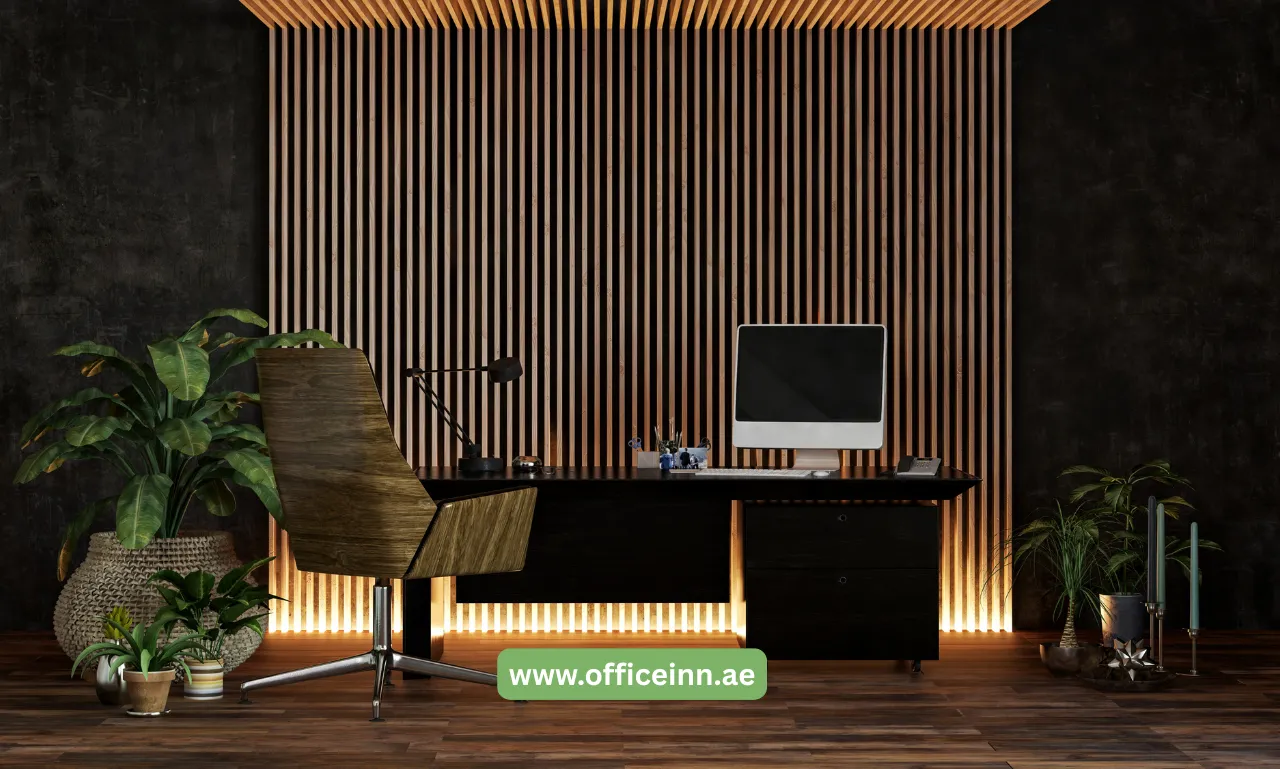
Office Space Planning Guide for UAE Businesses
Creating a productive and efficient workplace starts with smart office space planning. Whether you are launching a startup, expanding your company, or redesigning an existing workplace, effective office space planning can significantly impact employee productivity, collaboration, and business growth.
In the UAE’s competitive business environment, organizations are increasingly investing in modern office layouts, ergonomic office furniture, and flexible workspaces to maximize efficiency while creating a professional environment. This comprehensive office space planning guide for UAE businesses will help you design an office that supports your team’s needs and aligns with your business goals.
What Is Office Space Planning?
Office space planning is the process of organizing and arranging workplace layouts, furniture, workstations, meeting rooms, and collaborative areas to optimize space utilization and employee performance.
A well-planned office considers factors such as:
- Employee workflow
- Departmental requirements
- Office furniture placement
- Accessibility and safety
- Future business growth
- Technology integration
- Employee comfort and wellbeing
For businesses in Dubai, Abu Dhabi, Sharjah, and across the UAE, office space planning is becoming increasingly important as companies seek to balance functionality, aesthetics, and cost efficiency.
Why Office Space Planning Matters for UAE Businesses
Improves Employee Productivity
An organized office layout reduces distractions and helps employees work more efficiently. Proper workstation spacing, ergonomic chairs, and comfortable desks contribute to better focus and performance.
Maximizes Space Utilization
Commercial office rents in prime UAE locations can be significant. Strategic office planning helps businesses make the most of available square footage without compromising comfort.
Enhances Collaboration
Modern workplaces encourage teamwork through collaborative zones, meeting rooms, and breakout spaces that support communication and innovation.
Supports Employee Wellbeing
Natural lighting, ergonomic furniture, proper ventilation, and thoughtfully designed layouts improve employee satisfaction and reduce workplace fatigue.
Creates a Professional Brand Image
Your office reflects your company culture and professionalism. A well-designed workspace leaves a positive impression on clients, partners, and potential employees.
Key Steps in Office Space Planning
1. Assess Your Business Requirements
Before designing your office layout, evaluate your operational needs.
Consider:
- Number of employees
- Department structures
- Visitor traffic
- Storage requirements
- Meeting room usage
- Remote and hybrid work policies
Understanding these factors will help determine the ideal office layout and furniture requirements.
2. Calculate Space Requirements
Every employee requires sufficient workspace for comfort and productivity.
Typical office areas may include:
- Individual workstations
- Executive offices
- Reception area
- Conference rooms
- Breakout zones
- Storage spaces
- Pantry and cafeteria areas
Planning for both current and future staffing needs prevents costly redesigns later.
3. Choose the Right Office Layout
Different businesses require different office layouts.
Open Plan Office
Popular among startups and creative companies, open-plan offices encourage collaboration and maximize space efficiency.
Benefits:
- Better communication
- Lower construction costs
- Flexible workspace arrangements
Private Office Layout
Ideal for law firms, financial institutions, and executive teams requiring confidentiality and concentration.
Benefits:
- Greater privacy
- Reduced noise
- Enhanced focus
Hybrid Office Layout
Many UAE businesses now adopt hybrid office designs that combine private offices, collaborative spaces, and flexible workstations.
Benefits:
- Flexibility
- Improved employee satisfaction
- Adaptability for future growth
Selecting the Right Office Furniture
Office furniture plays a critical role in workplace functionality and employee comfort.
Ergonomic Office Chairs
Ergonomic seating helps reduce back pain, improve posture, and support long working hours.
Look for:
- Adjustable height
- Lumbar support
- Breathable materials
- Adjustable armrests
Office Workstations
Modern office workstations optimize space while promoting teamwork and organization.
Popular options include:
- Cluster workstations
- Bench desks
- Modular workstations
- Height-adjustable desks
Meeting Room Furniture
Conference tables and meeting chairs should support collaboration while maintaining a professional appearance.
Storage Solutions
Efficient storage systems help reduce clutter and improve workspace organization.
Examples include:
- Filing cabinets
- Mobile pedestals
- Storage cupboards
- Modular shelving units
Prioritize Employee Experience
Modern office design goes beyond aesthetics.
Employees increasingly expect workplaces that support wellbeing and work-life balance.
Incorporate Natural Light
Research consistently shows that natural light improves mood, productivity, and overall workplace satisfaction.
Create Collaborative Areas
Breakout zones and informal meeting spaces encourage creativity and knowledge sharing.
Provide Quiet Spaces
Dedicated focus rooms help employees complete tasks requiring concentration without interruptions.
Add Biophilic Design Elements
Plants and natural materials create a healthier and more welcoming office environment.
Technology and Infrastructure Planning
Technology should be integrated into office planning from the beginning.
Important considerations include:
- High-speed internet connectivity
- Power outlet placement
- Video conferencing facilities
- Smart meeting rooms
- Cable management systems
- Cybersecurity infrastructure
A future-ready office ensures seamless operations and supports digital transformation initiatives.
Compliance and Safety Considerations in the UAE
Businesses must ensure office layouts comply with UAE health and safety regulations.
Key considerations include:
- Emergency exits
- Fire safety systems
- Accessibility requirements
- Adequate ventilation
- Occupational health standards
Working with experienced office designers and furniture suppliers helps ensure compliance while optimizing workspace performance.
Planning for Future Growth
One of the most common office planning mistakes is designing solely for current needs.
As your business grows, workspace requirements evolve.
Future-proof your office by:
- Choosing modular furniture
- Creating flexible workstations
- Allowing room for expansion
- Implementing scalable technology solutions
Flexible office designs reduce future renovation costs and support long-term business success.
Sustainable Office Space Planning
Sustainability is becoming a priority for many UAE organizations.
Eco-friendly office planning practices include:
- Energy-efficient lighting
- Sustainable office furniture
- Recycled materials
- Smart energy management systems
- Indoor plants and green spaces
Sustainable workplaces not only reduce environmental impact but can also lower operating costs and enhance corporate reputation.
Common Office Space Planning Mistakes to Avoid
Avoid these common errors:
- Underestimating future growth
- Ignoring employee feedback
- Choosing furniture based solely on price
- Overcrowding workstations
- Insufficient storage planning
- Poor lighting design
- Lack of collaborative spaces
Strategic planning helps prevent costly redesigns and productivity issues.
Conclusion
Effective office space planning is a strategic investment for UAE businesses. A thoughtfully designed workplace improves productivity, employee wellbeing, collaboration, and overall business performance. By assessing your operational requirements, selecting the right office furniture, optimizing layouts, and planning for future growth, you can create a workspace that supports long-term success.
Whether you’re furnishing a startup office in Dubai, renovating a corporate headquarters in Abu Dhabi, or upgrading a workspace anywhere in the UAE, professional office space planning can help you maximize your investment while creating an environment where employees thrive.
Frequently Asked Questions (FAQs)
1. What is the ideal office space per employee in the UAE?
The ideal office space varies depending on the business type, but most companies allocate between 80 and 150 square feet per employee, including shared facilities and collaborative areas.
2. Why is office space planning important for business productivity?
Office space planning improves workflow efficiency, reduces distractions, supports collaboration, and creates a comfortable environment that enhances employee performance.
3. What type of office layout is best for modern UAE businesses?
Hybrid office layouts are increasingly popular because they combine collaborative spaces, private work areas, and flexible workstations to accommodate diverse working styles.
4. How can ergonomic office furniture improve workplace performance?
Ergonomic furniture reduces physical strain, supports proper posture, minimizes workplace injuries, and helps employees remain comfortable and productive throughout the day.
5. How often should businesses review their office space plan?
Businesses should review their office layout every 2–3 years or whenever there are significant changes in staffing levels, operational requirements, or workplace strategies.


